
Roller coasters, the heart-pounding rides we know today, have a history that begins with a much chillier inspiration: 17th-century Russian ice slides. These slides, made of wood and ice, were popular winter attractions, allowing thrill-seekers to glide down steep slopes on sleds.
By the 19th century, the idea evolved into gravity-powered tracks. In 1884, the first modern roller coaster opened at Coney Island in New York, designed by LaMarcus Thompson. Known as the “Switchback Railway, ” it reached speeds of just six miles per hour, yet it thrilled riders with its innovative design.
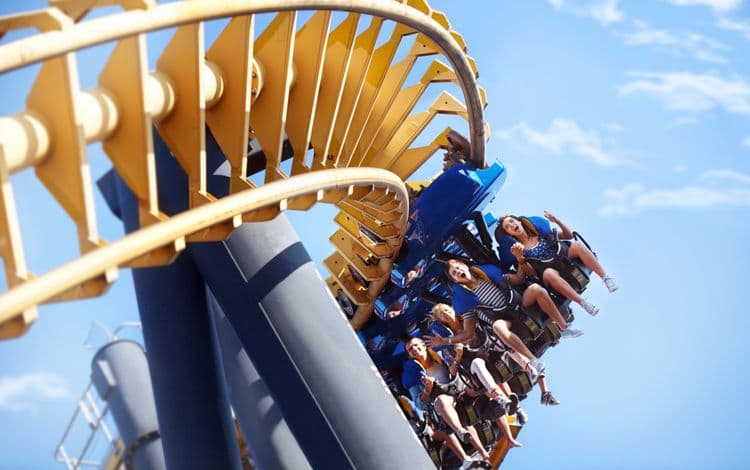
As technology advanced, roller coasters grew taller, faster, and more daring. The introduction of steel tracks in the mid-20th century allowed for smoother rides, loops, and corkscrews, revolutionizing amusement parks worldwide.
Today, roller coasters continue to push the boundaries of engineering, offering experiences that combine adrenaline, art, and science. From their icy origins to today’s gravity-defying feats, they remain a testament to humanity’s love of adventure.