
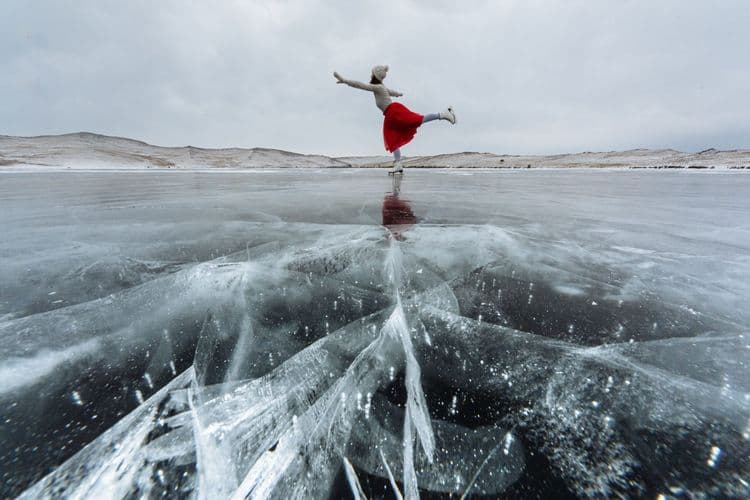
Ice skating is a winter pastime enjoyed by millions, but its origins were more about survival than sport. The earliest known skates, dating back over 4, 000 years, were made from animal bones and used by ancient Finns to glide across frozen lakes efficiently. Unlike today’s skates, which have metal blades that cut into the ice, these early versions were strapped to shoes and relied on poles to propel skaters forward.
The transformation from necessity to recreation began in medieval Europe, particularly in the Netherlands, where canals froze over in winter. The Dutch improved skate design by adding sharpened iron blades, making movement faster and more controlled. By the 18th century, ice skating had spread across Europe, captivating both the elite and commoners.
Figure skating, as an art form, gained popularity in the 19th century, with American-born skater Jackson Haines introducing expressive movements and dance-like choreography. Meanwhile, speed skating emerged as a competitive sport, leading to the formation of official racing events. Ice hockey, another major ice-based sport, originated in Canada in the 19th century, combining skating with teamwork and strategy.
Today, whether it’s for leisurely gliding on a frozen pond or executing complex jumps in the Olympics, ice skating remains a testament to human ingenuity and adaptability on ice.